 Elif Çimen
Complementary feeding & children's nutrition: through the eyes of a mother and a nutrition counsellor
Starting solids is about far more than a full tummy. How the first spoonfuls build a lifelong relationship with food, seen by a mother and counsellor.

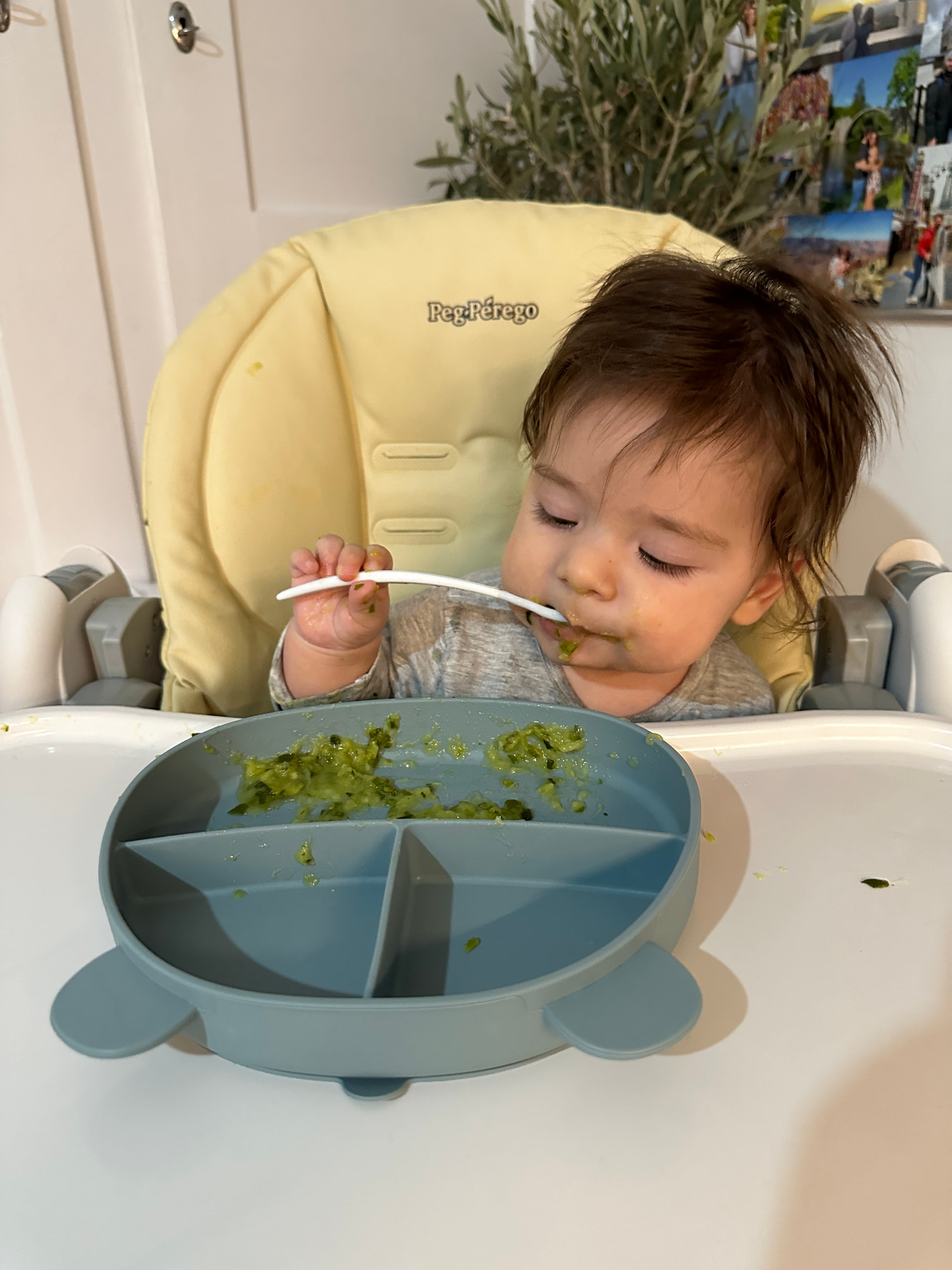
The feeding journey of our babies is about far more than filling their tummies: this is the time that builds the foundation of their future health, their sense of taste and the lifelong relationship they will have with food.

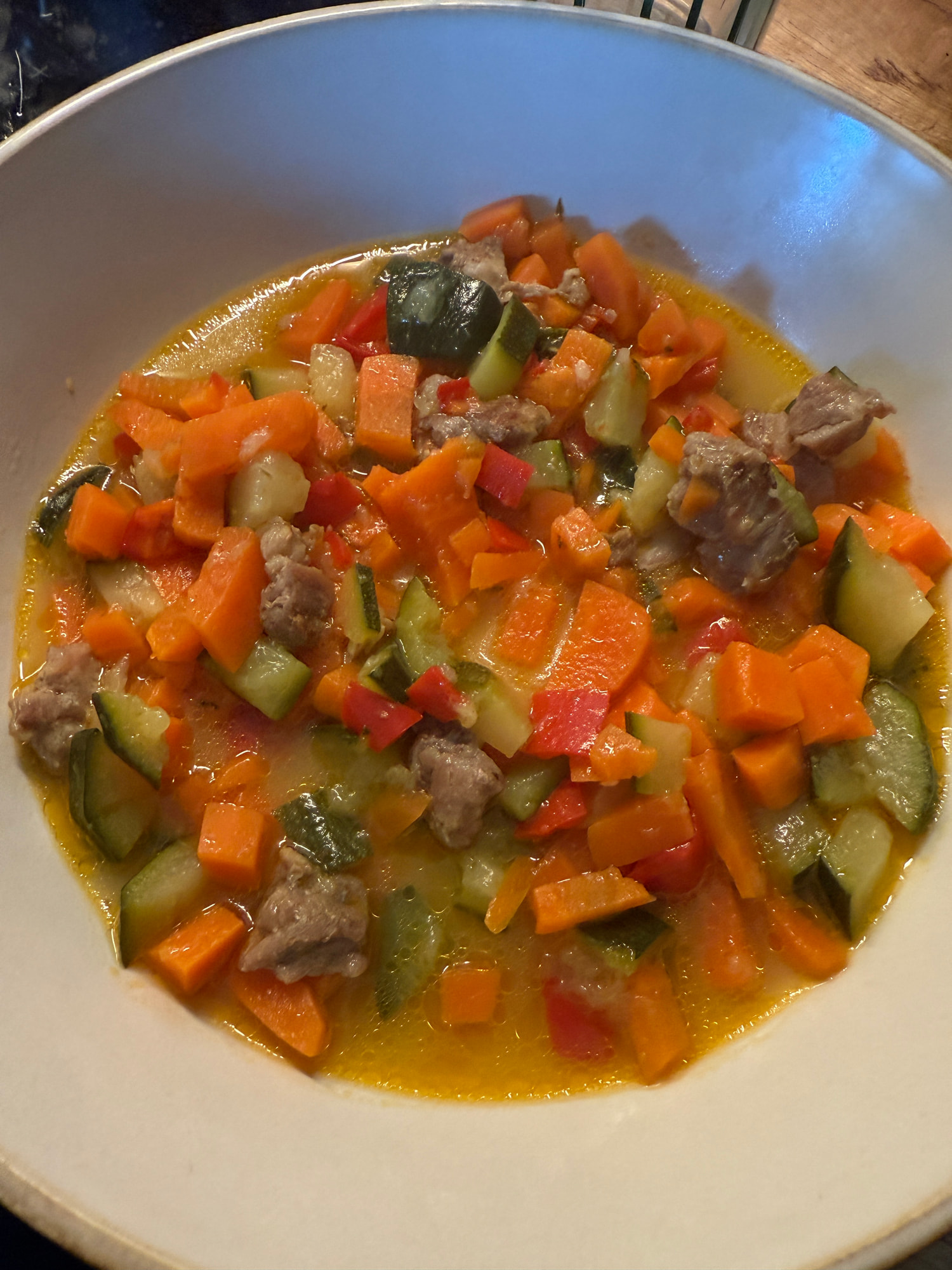
As a nutrition counsellor and, above all, as a mother, I know very well how delicate, exciting and at times worrying the move to complementary feeding and nutrition in childhood can be. The same care, the same attentiveness and the same love I feel when I prepare my own child's plate, I carry in my heart when I plan for my clients' little ones.
The move to solids: first steps full of discovery and trust
For your baby, who grows on breast milk (or formula) alone for the first 6 months, the complementary feeding period begins from the 6th month and is, as the name itself says, a process of “complementary feeding”. The real aim of this time is not so much to fill the baby up as to:
- introduce new tastes, textures and aromas,
- develop the chewing and swallowing reflexes,
- bring allergenic foods into the diet safely and in the right order,
- lay the foundation of the healthy eating habits they will enjoy in later years.
Free of pressure, of insistence and of the stress that the plate has to be emptied: building a safe and enjoyable table culture that respects the baby's own pace is the golden rule of this period.
Nutrition in childhood: the strongest fuel for growth and development
This journey, which begins with solids, continues in childhood with balancing the plate. Feeding a child in a growth spurt properly means:
- Cognitive and mental development: It directly affects concentration, memory and success at school.
- Strong immunity: It builds a natural shield against illness.
- Healthy height and muscle and bone development: It makes sure all the macro- and micronutrients they need (protein, calcium, iron, zinc and so on) arrive in full.
The most effective method in feeding children is to set them an example. Instead of trying to get them to eat a food they never see on our own plate, offering healthy options at a cheerful family table is the most lasting solution.
A mother's warmth and a professional's touch together
As a mother, I understand very well the moments in your kitchen when you get stuck, and the worries behind questions like “What shall I cook today?”, “Have they eaten enough?” and “How do I deal with a poor appetite?”.
That is exactly why, in my counselling on children's nutrition, I blend the principles of evidence-based medical nutrition therapy with the practicality, the empathy and the love of a mother. I am beside you at every step, so that our little ones grow up healthy, cheerful and with an appetite!