 Elif Çimen
PCOS (Polycystic Ovary Syndrome) and Medical Nutrition Therapy
Insulin resistance, androgens and the cycle: how a low-glycaemic Mediterranean diet works in PCOS, and which supplements can help.

PCOS is one of the most common hormonal and metabolic conditions in women. It affects not only reproductive health but insulin resistance, weight management and skin health directly. In managing PCOS, nutrition is not a temporary diet but a lifestyle therapy that protects hormonal balance and metabolic health.
The Core Mechanism of PCOS: Insulin Resistance and High Androgens
Around 70 to 80 % of women diagnosed with PCOS have insulin resistance. A high insulin level in the blood makes the ovaries release more male hormone (androgen). This leads to:
- excess hair growth (hirsutism) and acne,
- an irregular cycle and problems with ovulation,
- fat around the abdomen in particular, and sugar cravings.
Lowering insulin levels with the right nutrition strategy is the most critical step towards hormonal balance.
The Basic Principles of Nutrition Therapy in PCOS
1. A Low Glycaemic Index, High Fibre Diet
We choose complex carbohydrates that do not cause sudden swings in blood sugar.
- To prefer: whole grains, buckwheat, quinoa, pulses, oats, fresh vegetables and low-sugar fruit (berries, green apple and the like).
- To avoid: white flour, sugary drinks, packaged foods and pastries.
2. An Anti-Inflammatory Approach
PCOS runs with a chronic, low-grade inflammation in the body. To suppress it, we follow a Mediterranean eating pattern rich in anti-inflammatory foods:
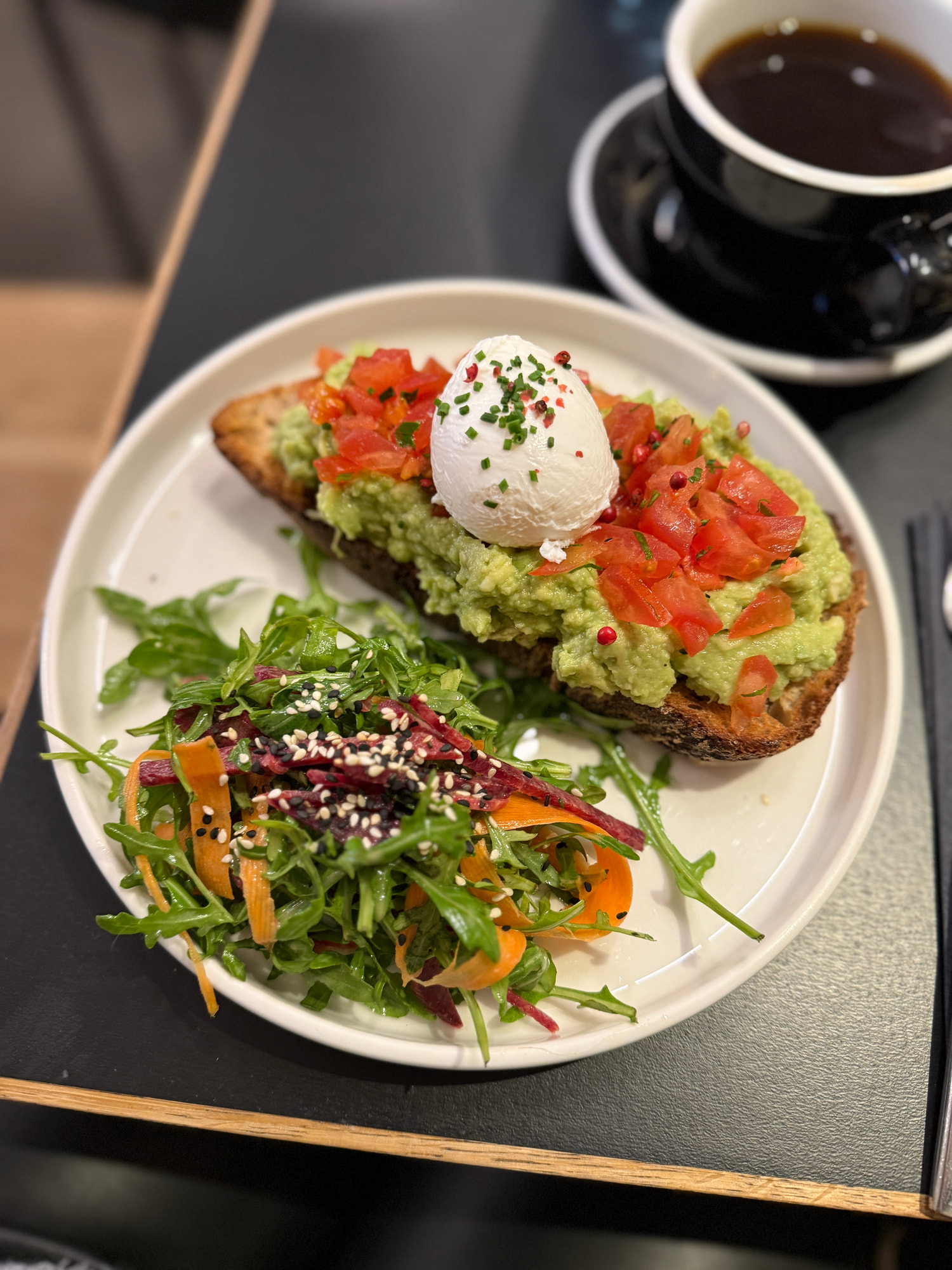
- plenty of extra virgin olive oil, avocado, walnuts and almonds,
- fish as a source of Omega-3 on at least two days a week,
- ginger, turmeric and plenty of greens.
3. Balanced Meals and Protein Quality
Every main meal should contain a good quality protein source (egg, fish, turkey, chicken, pulses). Protein and healthy fats slow the rate at which the stomach empties, which steadies the release of insulin and keeps you full for longer.
4. Dairy and Gluten
Imposing a single, one-size-fits-all restriction on dairy or gluten in PCOS is not right. If there is an additional sensitivity or a rise in inflammation in a particular person, though, trial protocols can be run with lactose-free or plant-based milk alternatives and gluten-free grains (buckwheat, quinoa, rice).
Supportive Supplements in PCOS (Where Needed)
Alongside the nutrition plan, certain supplements taken under medical supervision play an important role in improving insulin sensitivity and supporting the quality of ovulation:
- Inositol (Myo-Inositol & D-Chiro Inositol): increases the sensitivity of the insulin receptors and supports a regular cycle.
- Omega-3: lowers triglyceride levels and inflammation.
- Vitamin D: deficiency is frequently seen in women with PCOS; it should be kept at a full level for hormone synthesis.
- Magnesium and zinc: help to break insulin resistance and to reduce complaints of acne and excess hair growth.
How We Move Forward Together
Living with PCOS does not mean constant restriction or going hungry. Our aim is to build an eating routine that respects your body's hormonal rhythm, creates no crises and does not cut you off from your social life. With the right medical nutrition therapy, regulating your cycle, making weight control easier and lifting your energy are entirely possible.